

At the heart of St Patrick’s College and guided by the EREA Charter, is the recognition and celebration of our identity as a school in the tradition of Blessed Edmund Rice.
1
Stop 1 · Edmund Rice Walk
Powell Pavilion
The Powell Pavilion serves as a central hub for student activities and assemblies, honouring the legacy of the College's Edmund Rice tradition through sport and community.
Learn more2
Stop 2 · Edmund Rice Walk
Westcourt Library & Year 5 Classrooms
Westcourt is the heart of academic life at St Patrick's College, housing an extensive library collection alongside dedicated Year 5 learning spaces.
Learn more3
Stop 3 · Edmund Rice Walk
The Vestibule
The Vestibule marks the ceremonial entrance to the College's inner precinct, a transitional space that connects Edmund's Way to the Chapel and Reception.
Learn more4
Stop 4 · Edmund Rice Walk
College Chapel Approach
The path leading to the College Chapel is a place of quiet reflection, lined with heritage plantings that frame the spiritual centre of St Patrick's College.
Learn more5
Stop 5 · Edmund Rice Walk
The College Chapel
The Chapel is the spiritual heart of St Patrick's College, a place of worship, reflection and community. It hosts daily prayer, liturgies and key moments in College life throughout the year.
Learn more6
Stop 6 · Edmund Rice Walk
Via Sacra · Smollett Place
Via Sacra ("Sacred Way") is a contemplative walkway connecting the College precinct to Smollett Place, dotted with artwork and symbols from the Edmund Rice tradition.
Learn more7
Stop 7 · Edmund Rice Walk
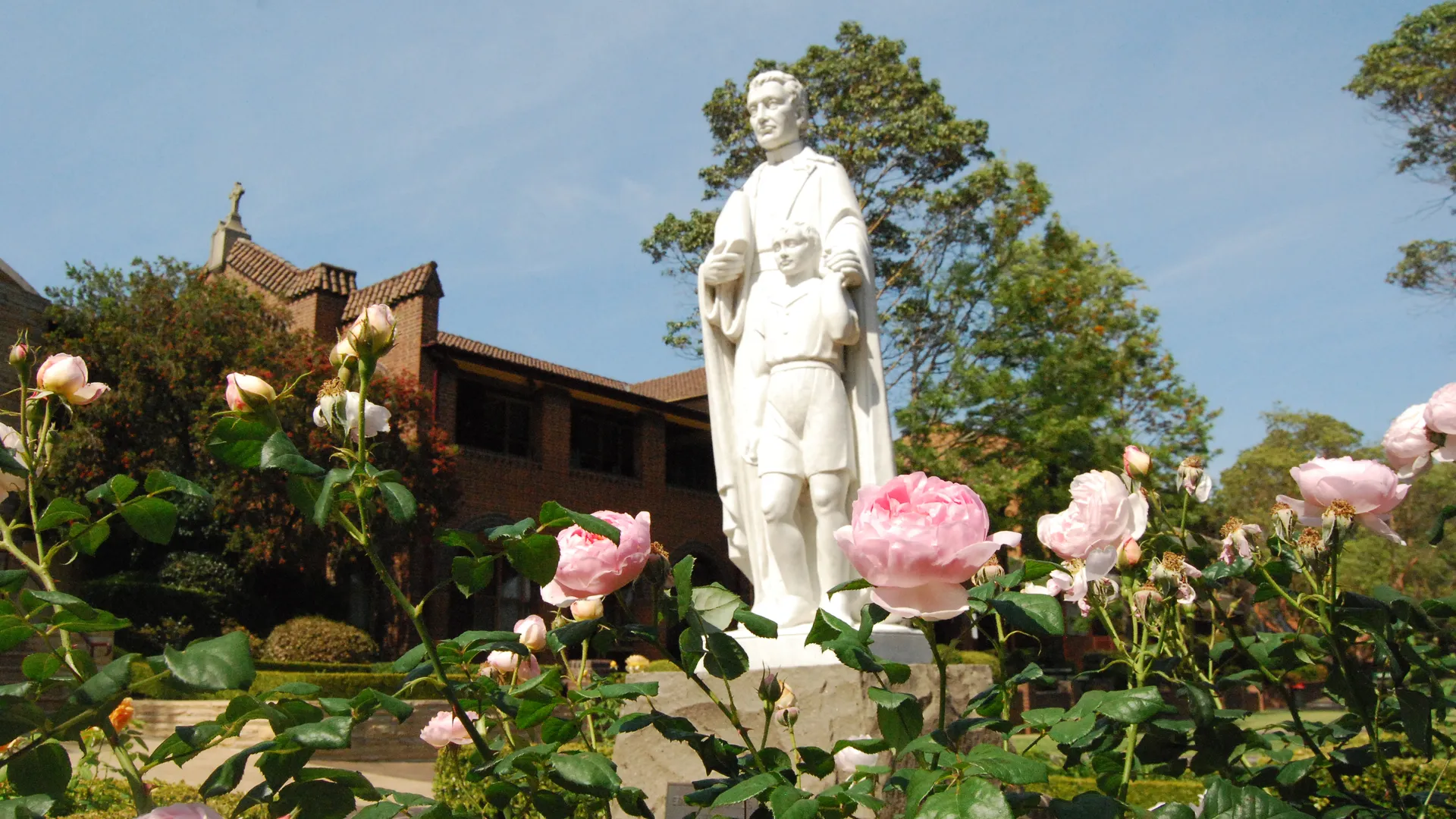
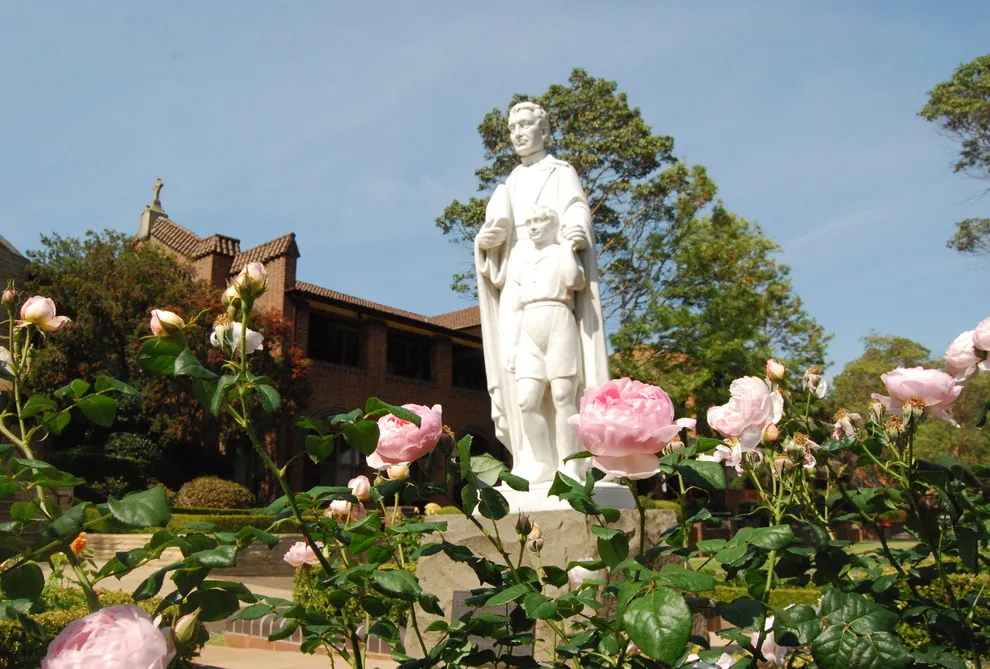
Edmund Rice Statue
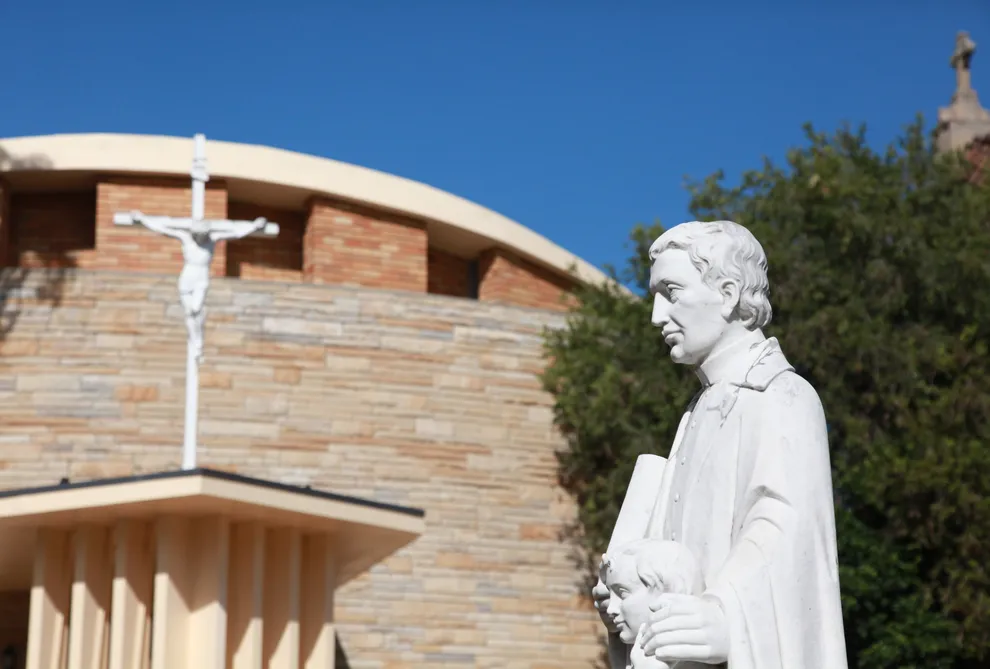
The statue of Blessed Edmund Rice stands as a lasting symbol of the founding spirit of the College — a commitment to faith, service and education for all.
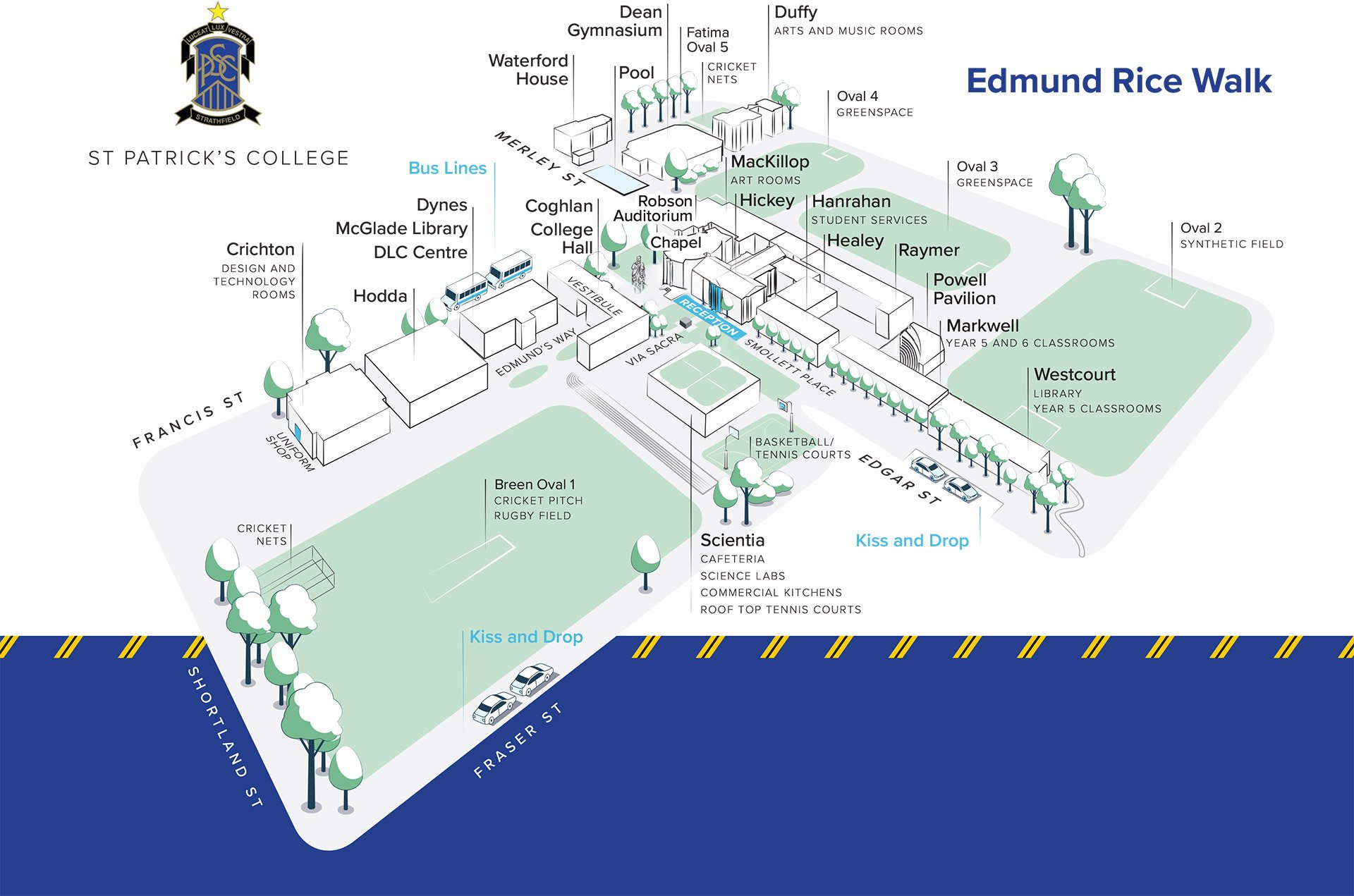
Learn moreIn order for our community to better know the story of Edmund, we created an historical walk through the College grounds that tracks the major events of his life. Through the College Council’s Identity Committee, Art and Maintenance Departments and Year 6 students, the inspirational life was distilled into seven key phases, each represented by a bronze plaque – Birth, Emergence, Tragedy, Revelation, Beginnings, Mission, Legacy.
Commencing at The Westcourt Library and concluding, fittingly, at the chapel, The Walk is intended to be a permanent reminder of Edmund’s life journey, a story of compassion that changed countless lives and still inspires those who work and study in Edmund Rice ministries all across the world.
A comfortable childhood.
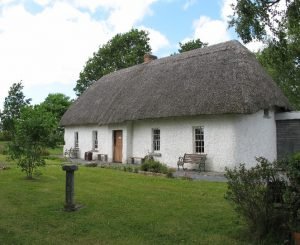
Edmund Rice was born on the family tenant farm, Westcourt, in Callan, Kilkenny in 1762.
Callan is located in County Kilkenny about sixteen kilometres south of the town of Kilkenny and thirty five kilometres from the seaside city of Waterford.
Edmund’s parents ran a prosperous tenant farm, an opportunity rarely provided for the poor Catholics of Ireland at the time. Since harsh Penal Laws excluded Catholics from receiving a formal education, Edmund more than likely completed his education in ‘hedge schools’.
Edmund’s birthplace, Westcourt, is today The Edmund Rice Heritage Centre.
The centre boasts The Edmund Rice Memorial Chapel and Visitor Centre, and includes the bedroom where Edmund was born and where he lived with his six brothers and two step sisters.
A start in Waterford.
In 1779, Edmund’s uncle Michael, a maritime merchant took him on as an apprentice in what was the second busiest shipping port in the world. It was only six years later that Edmund, aged 23, took over ownership of the business when his uncle passed away. Waterford became the base for Edmund’s work throughout the remainder of his life.
Brother Peader Gleeson takes us on a walking tour of present day Waterford, showing places of significance in the life of Edmund.
Edmund’s life changes forever.
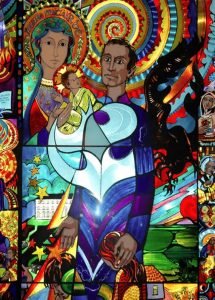
Edmund marries Mary Elliot, the young daughter of a Waterford tanner in 1787. Tragically Mary dies only two years later in 1789, at the same time their daughter, Mary, is born. His daughter would live with disability for the rest of her life. Edmund invites his step sister, Joan, to become his housekeeper and to help in the care of Mary.
This event seems to mark a profound change in Edmund’s life, as his desire to reach out to the disadvantaged takes root.
Edmund’s first School.
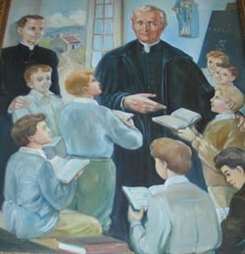
In 1802, using a converted stable of three rooms in New Street, Waterford, Edmund begins his ministry in education. His commitment to a life of educating the poor is borne out of the sale of his business and in taking up residence upstairs in New Street.
Plans for a more substantial school, built on the back of Edmund’s business success, are at this time in motion.The early setbacks he experiences do not deter him and he is joined by two men, Thomas Grosvenor and Patrick Finn, who commit their services to his new venture.
Edmund’s revelation alive in the world today.
The vision takes shape.
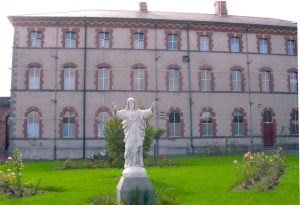
Edmund’s new school, Mt Sion, opened in Waterford in 1804. To provide the basic daily needs of the children, a bakery and tailor were set up, as well as a residence for staff. Edmund, determined to bring the most modern of teaching methods, enlisted financial support from his business colleagues. The numbers of poor Catholics wanting education for their children grew quickly.
By 1807, three schools, including brothers’ residences, were operating in Mt Sion, Dungarvan and Carrick-on-Suir. In 1808, with the help of the bishop, Dr Power, the congregation began to take shape, initially taking vows as Brothers of the Presentation.
A new congregation - The Christian Brothers.
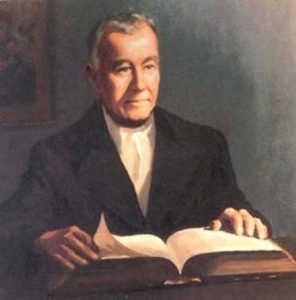
More of Edmund’s schools open in Cappaquin (1813), Limerick (1816), Thurles (1816), Mill Street, Dublin (1816), Francis St, Dublin (1820) and Preston, England (1825). By 1825, thirty brothers were teaching 5,500 boys in 12 towns or cities.
In 1817, Edmund applies to Rome to establish his congregation as an Apostolic Institute. Pope Pius VII grants this request in 1820. On 20 January 1822, in Mt Sion, the brothers accept the brief and elect Edmund as the first leader of the Congregation of Christian Brothers.
The way was now clear for the spread of Christian Brothers’ education throughout the globe.
For a list of Christian Brothers’ schools and ministries worldwide, both past and present, please click on the following link: Christian Brothers Schools

Blessed Edmund in the world today.
Christian Brothers’ schools were begun in England (1825), India (1841), Australia (1842), USA (1843), New Zealand (1876), South Africa (1897), Rome (1900), Canada (1913), China (1920), South America (1920). Today Edmund Rice ministries span 30 countries, continuing to breathe life into his vision of equality, justice and education for all.
Edmund Rice died on 29 August 1844 at Mt Sion. He was beatified on 6 October 1996, recognition of a life enlightened by Gospel spirituality that promoted justice, solidarity, inclusion and liberation for the young through education.
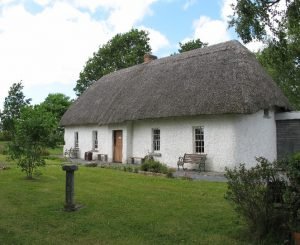
A comfortable childhood.
Edmund Rice was born on the family tenant farm, Westcourt, in Callan, Kilkenny in 1762.
Callan is located in County Kilkenny about sixteen kilometres south of the town of Kilkenny and thirty five kilometres from the seaside city of Waterford.
Edmund’s parents ran a prosperous tenant farm, an opportunity rarely provided for the poor Catholics of Ireland at the time. Since harsh Penal Laws excluded Catholics from receiving a formal education, Edmund more than likely completed his education in ‘hedge schools’.
Edmund’s birthplace, Westcourt, is today The Edmund Rice Heritage Centre.
The centre boasts The Edmund Rice Memorial Chapel and Visitor Centre, and includes the bedroom where Edmund was born and where he lived with his six brothers and two step sisters.
A start in Waterford.
In 1779, Edmund’s uncle Michael, a maritime merchant took him on as an apprentice in what was the second busiest shipping port in the world. It was only six years later that Edmund, aged 23, took over ownership of the business when his uncle passed away. Waterford became the base for Edmund’s work throughout the remainder of his life.
Brother Peader Gleeson takes us on a walking tour of present day Waterford, showing places of significance in the life of Edmund.
Edmund’s life changes forever.
Edmund marries Mary Elliot, the young daughter of a Waterford tanner in 1787. Tragically Mary dies only two years later in 1789, at the same time their daughter, Mary, is born. His daughter would live with disability for the rest of her life. Edmund invites his step sister, Joan, to become his housekeeper and to help in the care of Mary.
This event seems to mark a profound change in Edmund’s life, as his desire to reach out to the disadvantaged takes root.
Edmund’s first School.
In 1802, using a converted stable of three rooms in New Street, Waterford, Edmund begins his ministry in education. His commitment to a life of educating the poor is borne out of the sale of his business and in taking up residence upstairs in New Street.
Plans for a more substantial school, built on the back of Edmund’s business success, are at this time in motion.The early setbacks he experiences do not deter him and he is joined by two men, Thomas Grosvenor and Patrick Finn, who commit their services to his new venture.
Edmund’s revelation alive in the world today.
The vision takes shape.
Edmund’s new school, Mt Sion, opened in Waterford in 1804. To provide the basic daily needs of the children, a bakery and tailor were set up, as well as a residence for staff. Edmund, determined to bring the most modern of teaching methods, enlisted financial support from his business colleagues. The numbers of poor Catholics wanting education for their children grew quickly.
By 1807, three schools, including brothers’ residences, were operating in Mt Sion, Dungarvan and Carrick-on-Suir. In 1808, with the help of the bishop, Dr Power, the congregation began to take shape, initially taking vows as Brothers of the Presentation.
A new congregation - The Christian Brothers.
More of Edmund’s schools open in Cappaquin (1813), Limerick (1816), Thurles (1816), Mill Street, Dublin (1816), Francis St, Dublin (1820) and Preston, England (1825). By 1825, thirty brothers were teaching 5,500 boys in 12 towns or cities.
In 1817, Edmund applies to Rome to establish his congregation as an Apostolic Institute. Pope Pius VII grants this request in 1820. On 20 January 1822, in Mt Sion, the brothers accept the brief and elect Edmund as the first leader of the Congregation of Christian Brothers.
The way was now clear for the spread of Christian Brothers’ education throughout the globe.
For a list of Christian Brothers’ schools and ministries worldwide, both past and present, please click on the following link: Christian Brothers Schools
Blessed Edmund in the world today.
Christian Brothers’ schools were begun in England (1825), India (1841), Australia (1842), USA (1843), New Zealand (1876), South Africa (1897), Rome (1900), Canada (1913), China (1920), South America (1920). Today Edmund Rice ministries span 30 countries, continuing to breathe life into his vision of equality, justice and education for all.
Edmund Rice died on 29 August 1844 at Mt Sion. He was beatified on 6 October 1996, recognition of a life enlightened by Gospel spirituality that promoted justice, solidarity, inclusion and liberation for the young through education.
Keep exploring
Our Identity
St Patrick’s College shapes young men of character, faith and purpose. Students are encouraged to develop a strong sense of identity, responsibility and service.
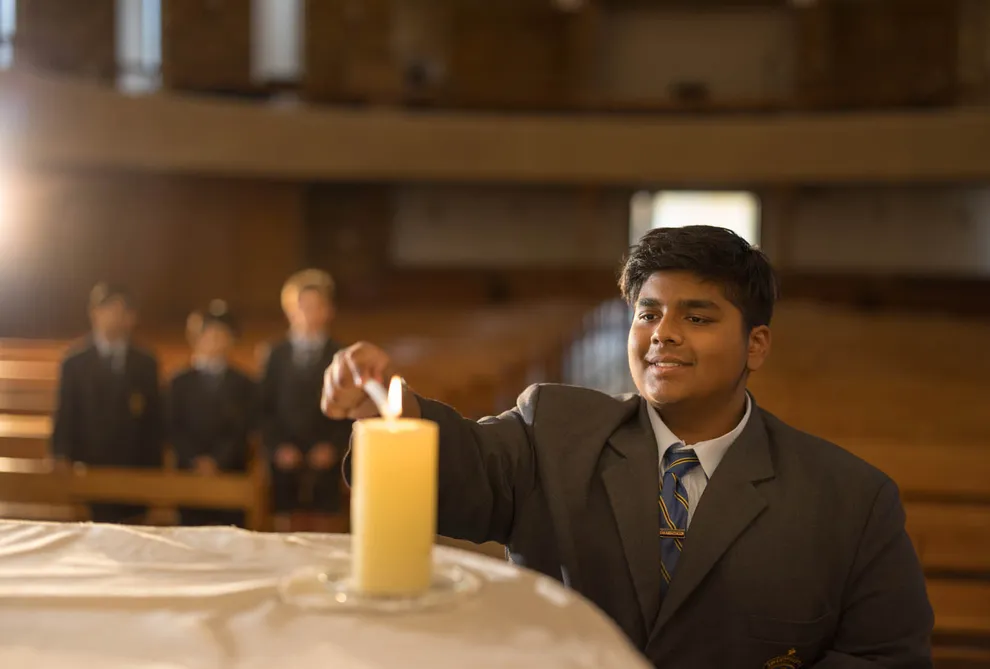


Begin your journey and let your light shine
Every boy who walks through our gates begins a journey shaped by faith, friendship and challenge. This is where confidence grows, talents emerge and young men learn to live with purpose and heart.